
Specialized Fire Barrier
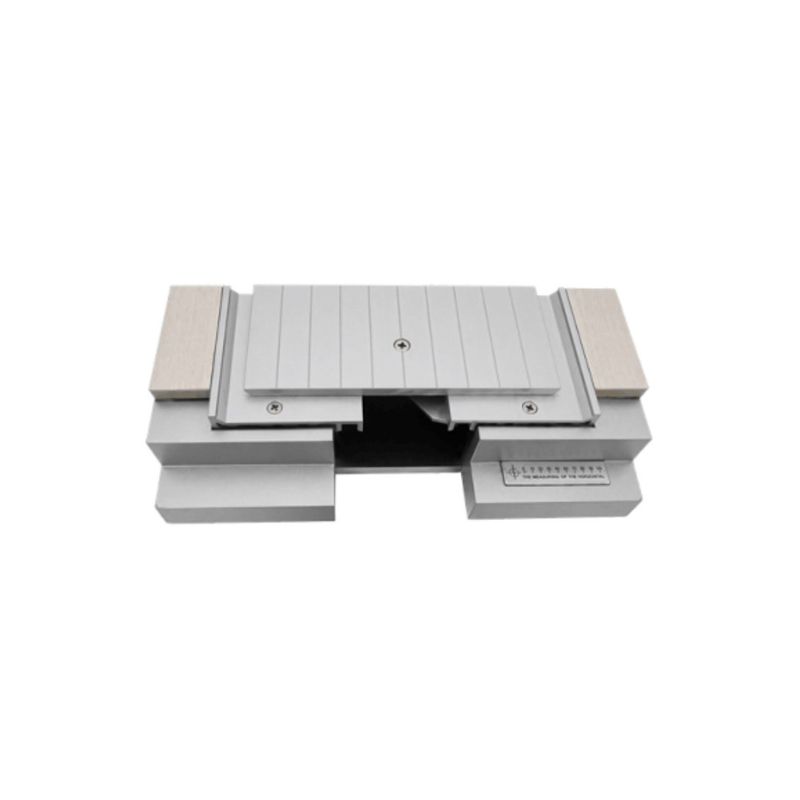
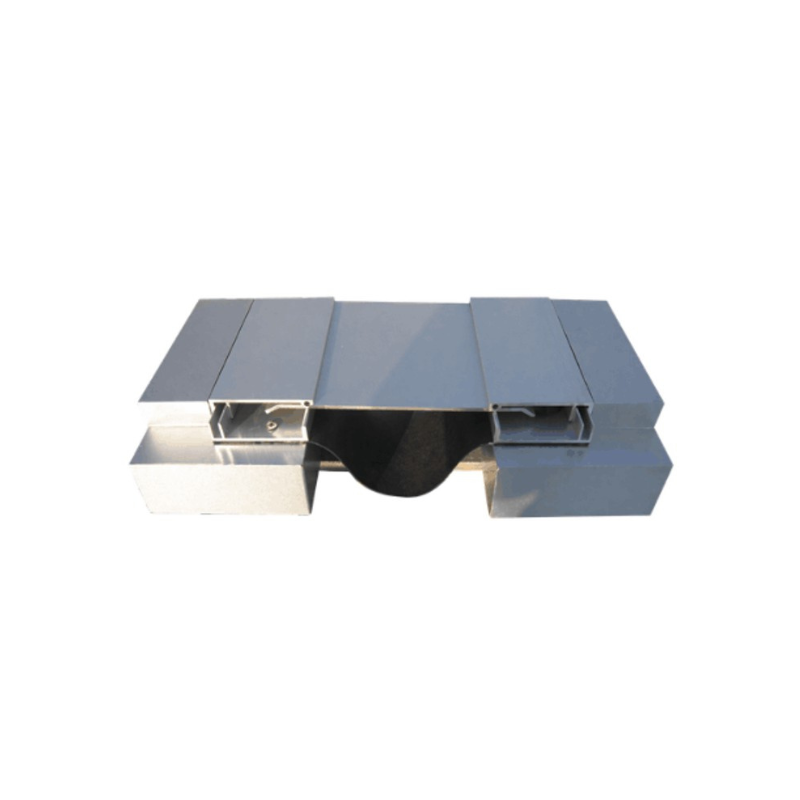
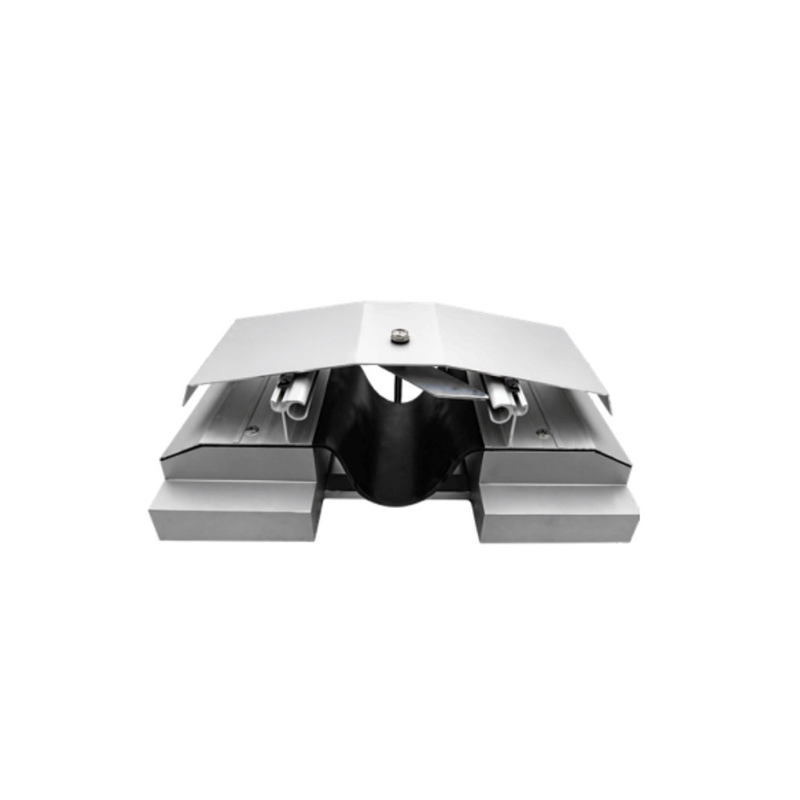
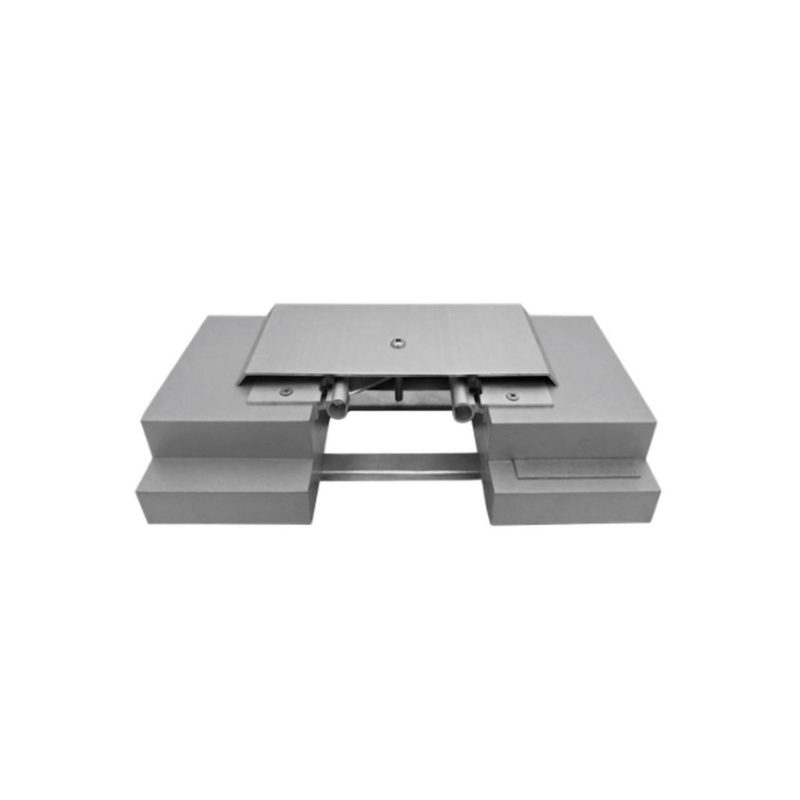
MSDGCA-1 model is an all-aluminum floor cover comprised of two extruded aluminum frames and aluminum cover plate. Floor expansion joint cover is used in new to existing heavy duty applications where cars, trucks and other vehicles are present.
Key Specifications
Floor expansion joint cover is used in new to existing heavy duty applications where cars, trucks and other vehicles are present.
Specialized Fire Barrier / Firestop & Expansion Joint System Providers UAE
- Fire Stop Middle East – Firestop materials and systems dealer (e.g., Aeroseal), including solutions for joints and fire barriers.
Office 907 Warsan Building, Dubai Internet City
PO Box 40640 Dubai, UAE
Mobile: +97155 4454860 (Dubai, UAE)
- FSIME (Firestop & Expansion Joints Contractor) – Offers firestopping with expansion joint services and certified fire barrier products such as Lamatherm/Siderise systems.
Office # 1005, Clover Bay Tower, Business Bay – Dubai – United Arab Emirates
+971 4 558 5075,
+971 4 558 5043
info@fsime.com
- Sasko Prime Electromechanical Services – Provides passive fire protection including firestop solutions for expansion joints and structural penetrations.
101-018, Majid Sultan Building, Al Muteena, Deira, Dubai, UAE
+971 4 5857856
info@saskoprime.com
sales@saskoprime.com
StonCor Middle East – VEA France fire barrier for expansion joint system
Tel: 00971-4-347-04-60
Email: info@stoncor-me.com
Head Office: Plot B-518 Al Quoz Industrial 3, Dubai, United Arab Emirates
The fire barrier system is a passive fire protection assembly specifically engineered to maintain fire compartmentation continuity at building expansion joints while allowing structural movement.
1.1 Main Components
- Outer Encapsulation
- Multi-layer stainless steel foil
- Provides:
- Mechanical integrity
- Abrasion resistance
- Long-term durability
- Core Insulation
- Aluminium silicate fiber blanket
- High-temperature resistant (≈1,200°C+)
- Non-combustible and non-toxic
- Fixing & Support
- Mechanical anchoring to concrete substrates
- Designed to work in conjunction with architectural expansion joint covers
1.2 Fire Performance
- Tested to:
- ASTM E119 – Fire resistance of building assemblies
- ASTM E1966 – Fire test for joint fire barriers
- Certified fire endurance:
- 2 hours
- 3 hours
- 4 hours
- Maintains integrity during:
- Fire exposure
- Joint movement
- Thermal expansion and contraction
Expansion joints represent intentional discontinuities in slabs and walls. Without protection, these joints become fire spread paths.
The system works by:
- Expanding and flexing with slab or wall movement.
- Resisting flame penetration during fire exposure.
- Limiting heat transfer to adjacent fire compartments.
- Remaining intact even when joint gaps widen under fire conditions.
3.1 Mandatory Use Cases
fire barriers are required when ALL of the following conditions exist:
Condition | Requirement |
Structural expansion joint | ✔ |
Fire-rated wall or floor | ✔ |
Joint crosses fire compartment | ✔ |
Building regulated under Fire & Life Safety Code | ✔ |
3.2 Typical Applications
- Floor-to-floor expansion joints
- Wall-to-wall expansion joints
- Floor-to-wall junctions
- Podium to tower interface
- Seismic separation joints
3.3 Building Types
- High-rise residential towers
- Commercial offices
- Hospitals & healthcare facilities
- Hotels & hospitality projects
- Airports & transport terminals
- Data centers
- Industrial facilities with fire zoning
4.1 Technical Benefits
- Maintains fire rating continuity across movement joints
- Compatible with large movement ranges
- Performs under dynamic and seismic conditions
- High resistance to aging, moisture, and corrosion
- Does not rely on intumescent reaction alone (stable fire behavior)
4.2 Construction & Lifecycle Benefits
- Long service life (typically equal to building life)
- Low maintenance requirement
- Can be installed early (before architectural finishes)
- Works with most proprietary expansion joint cover systems
4.3 Compliance Benefits
- Helps achieve:
- Fire compartmentation strategy
- Civil Defence approvals
- Insurance compliance
- International consultant specifications (NFPA / ASTM aligned)
5.1 How Often It Is Required
The frequency depends on building size and structural design:
Project Type | Typical Quantity |
Mid-rise building | 1–3 major expansion joints |
High-rise tower | 3–8 vertical & horizontal joints |
Podium + tower | Mandatory at podium interface |
Large footprint mall | Multiple joints every 30–45 m |
Infrastructure projects | At all movement joints |
Rule of thumb:
Wherever there is an expansion joint crossing a fire-rated assembly, a fire barrier system is mandatory.
6.1 Regulatory Framework
In the UAE, MSFB-type systems are governed by:
- UAE Fire and Life Safety Code of Practice
- UAE Civil Defence (DCD / ADCD / ICD) approval process
- Consultant-driven international standards (ASTM, UL, EN)
6.2 Key UAE Requirements
- Fire resistance rating must match the adjacent wall/floor rating
- Fire barrier must be:
- Tested for movement capability
- Certified for joint width
- Installation must be:
- As per manufacturer tested configuration
- Verified by approved fire protection contractor
- Required documentation:
- Test reports (ASTM E119 / E1966)
- Product datasheets
- Method statement
- Installation inspection records
6.3 Market Practice in UAE
- Fire barriers for expansion joints are not optional
- Consultants increasingly specify:
- Pre-engineered fire barrier systems
- Instead of site-made mineral wool solutions
- Strong preference for:
- Long-life, non-intumescent systems
- Products compatible with architectural joint covers
Strengths
- High fire rating (up to 4 hours)
- Suitable for large joint widths
- Robust metallic encapsulation
- Compatible with premium joint cover systems
Considerations
- Higher initial cost compared to simple firestop sealants
- Requires trained installation
- Must be coordinated early with structural and architectural teams
Conclusion
The fire barrier system represents a mature, high-performance solution for protecting expansion joints in modern UAE construction projects. Its use is mandatory by regulation wherever fire compartmentation is interrupted by structural movement joints.
Given:
- Increasing building heights
- Stricter Civil Defence enforcement
- Preference for tested and certified systems
Demand for MSFB-type fire barrier systems is expected to grow steadily in the UAE market, especially in high-rise, mixed-use, and infrastructure developments.